
Cross-Platform Mobile Apps
High-performance iOS and Android applications engineered from a unified TypeScript or Dart codebase.
We engineer 60fps native-feeling mobile applications across iOS and Android using React Native and Flutter. Eliminate redundant dual-team engineering overhead with shared business logic, native hardware bridges, automated Fastlane CI/CD store deployments, and unified backend API contracts.
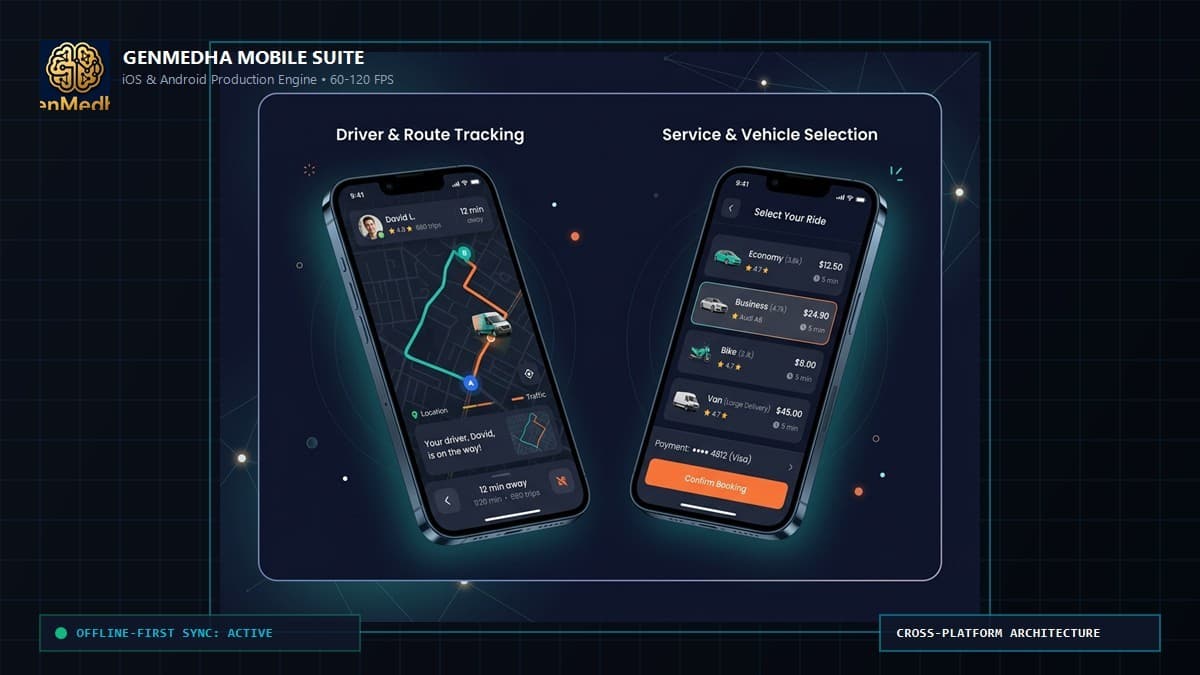
Enterprise-Grade Cross-Platform Mobile Engineering
Eliminating duplicate engineering teams and fragmented codebases with unified, 60fps native-compiled applications across iOS and Android.

Single Unified Codebase
Shared TypeScript or Dart business logic, state stores, and API clients slashing development costs by 45% and ensuring identical feature parity across iOS and Android.
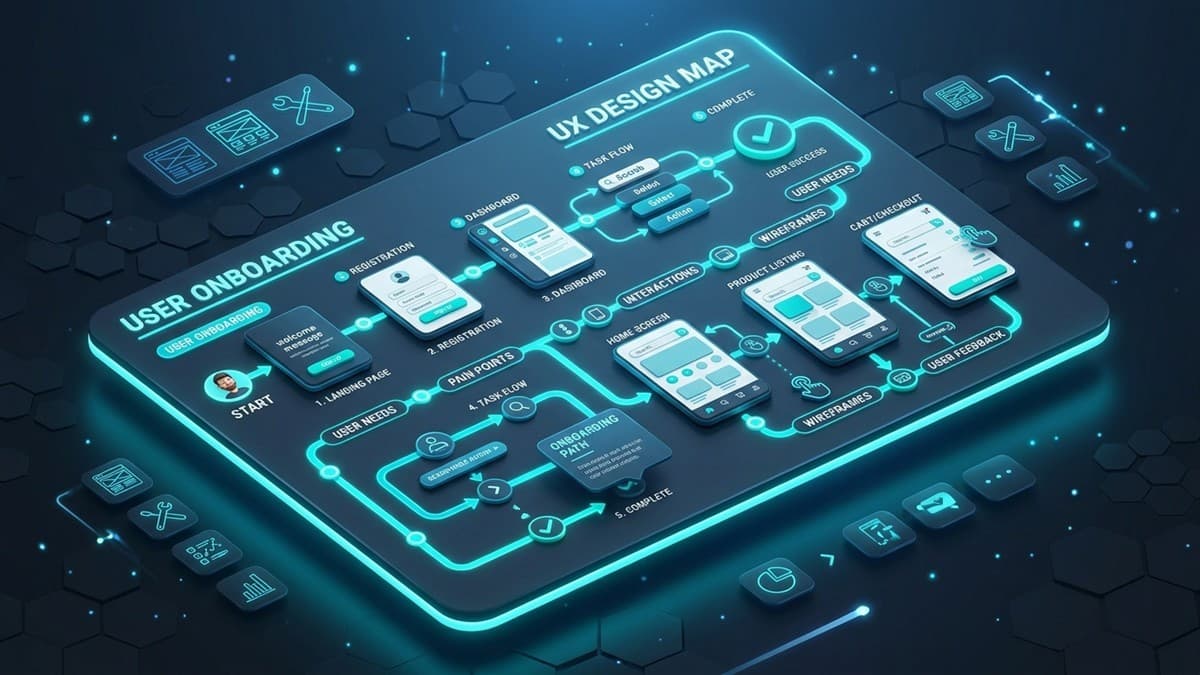
60 FPS Native Rendering
Leveraging the React Native Fabric architecture and Flutter Impeller engine for fluid 60fps animations, native gestures, and sub-frame layout responsiveness.

Native Hardware Bridges
Custom Swift and Kotlin bridges connecting biometric security (FaceID/Fingerprint), camera OCR, Bluetooth BLE peripherals, and background geolocation.
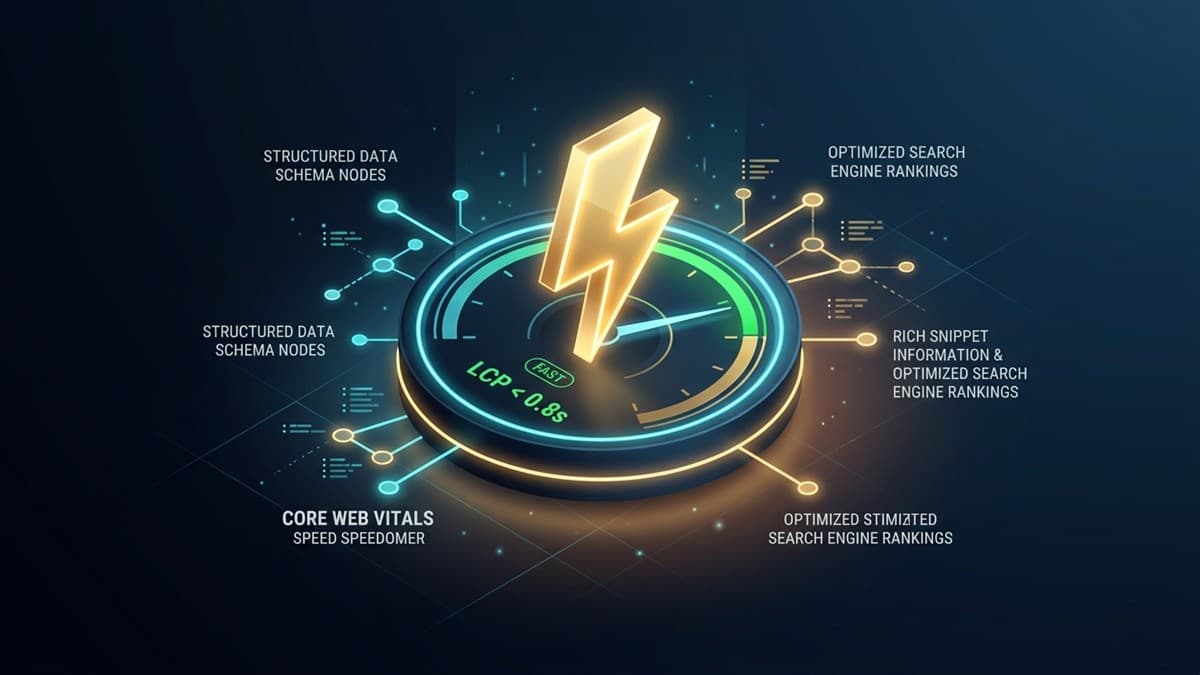
Automated Fastlane CI/CD
Zero-touch continuous integration pipelines that automatically build, sign, version, and distribute internal beta builds to TestFlight and Google Play Console.
Decoupled Architecture Dataflow
A 4-tier breakdown of how requests, state mutations, and data queries flow through this production stack.

Adaptive Component Library
Adaptive UI component library built with Tailwind/NativeWind, featuring custom touch gestures, fluid screen transitions, and full dark/light theme switching.
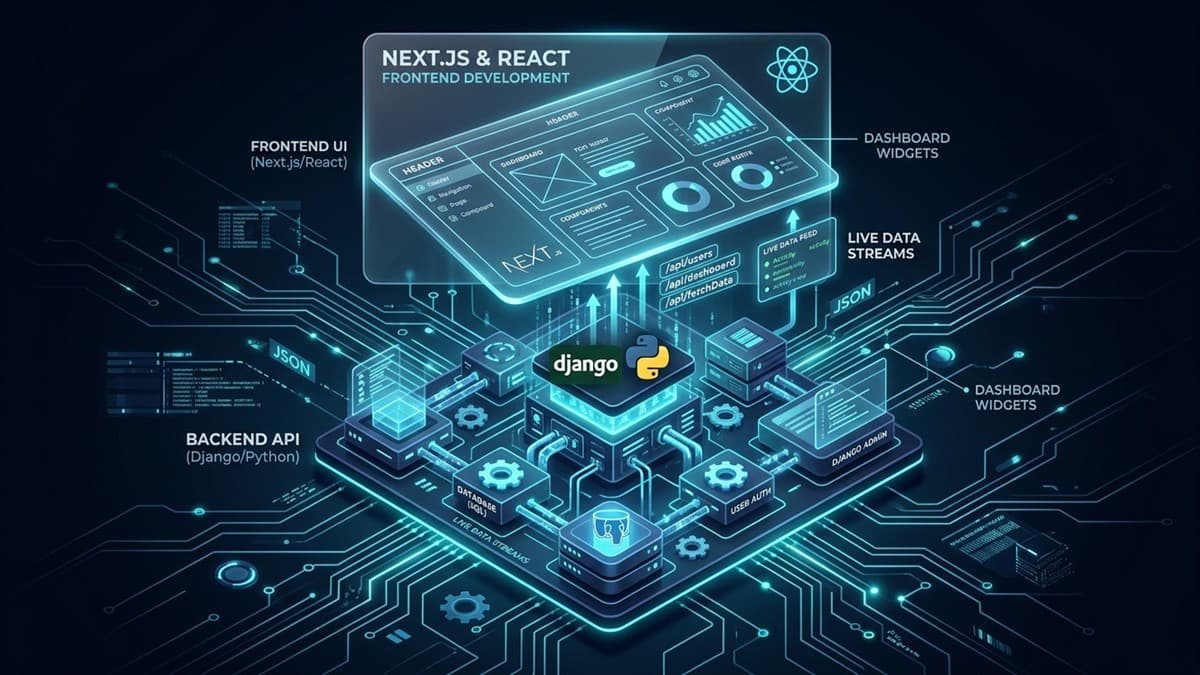
Hardware Interface & JSI Engine
Direct hardware interface layer utilizing JSI TurboModules and Dart FFI for zero-bridge latency hardware access and native module execution.

Reactive Client State Store
High-speed in-memory state management coupled with encrypted MMKV and SQLite key-value stores for instant UI hydration and offline access.
Real-Time Edge API Gateway
Type-safe REST and GraphQL gateway with JWT authentication, WebSockets for live updates, and APNs / Firebase Cloud Messaging push dispatchers.
Core Engineering Deliverables
Every component is backed by strict type contracts, comprehensive test suites, and transparent documentation.

Production React Native / Flutter App Core
Complete, production-ready mobile application codebase with strict type safety, modular screen components, and clean architectural separation of concerns.
- Unified TypeScript/Dart codebase with 90%+ code sharing across iOS and Android
- Fluid screen navigation and deep-linking architecture using React Navigation / GoRouter
- Centralized error boundary protection with automatic diagnostic crash reporting
- Full native light and dark mode support with automatic OS preference sync
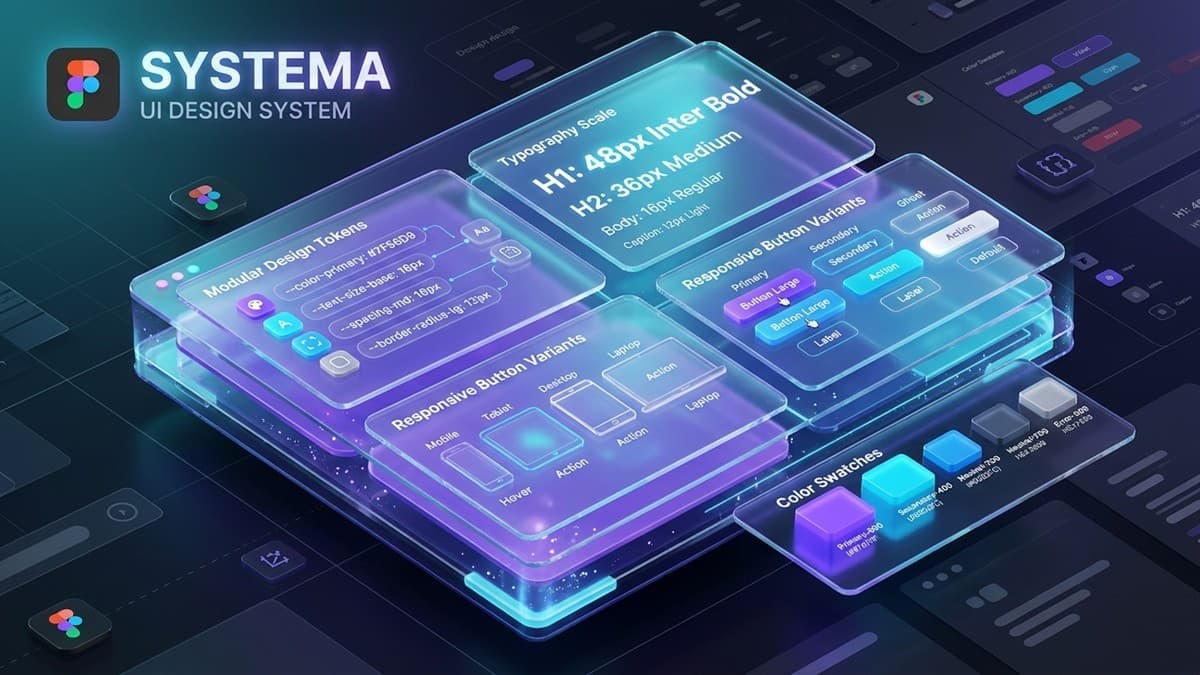
Custom Mobile Design System & Haptics
Comprehensive design system with standardized typography, color palettes, button states, animated loaders, and subtle physical haptic feedback.
- Modular atomic UI component library built with NativeWind
- Custom micro-interactions and gesture-driven animations at solid 60fps
- Accessibility compliance (WCAG 2.1 AA) with high-contrast screen reader support
- Fluid haptic engine providing tactile feedback on critical actions

Native Hardware & Sensor Connectors
Engineered native bridge modules unlocking device capabilities including biometric login, high-res camera capture, and Bluetooth peripheral sync.
- Biometric authentication (FaceID, TouchID, and Android Biometric Prompt)
- Camera OCR and barcode scanning modules with real-time video frame processing
- Low-power background GPS tracking and geolocation geofencing listeners
- Bluetooth BLE integration for external diagnostic scanners and thermal printers

Push Notification & Telemetry Mesh
End-to-end messaging infrastructure delivering targeted push notifications, deep links, in-app event tracking, and real-time crash diagnostics.
- Direct APNs and Firebase Cloud Messaging (FCM) integration with rich payload support
- Real-time session recording, crash telemetry, and performance tracing via Sentry
- Granular in-app user analytics to measure feature adoption and retention funnels
- Automated token lifecycle management and bad-token pruning
App Store & Play Store Fastlane CI/CD
Automated release engineering pipelines managing code signing certificates, provisioning profiles, screenshot generation, and store submissions.
- Automated Fastlane pipelines pushing builds to TestFlight and Play Console Internal Tracks
- Encrypted keychain management ensuring secure and repeatable release signing
- Full compliance review and submission support ensuring 100% first-pass store approvals
- Over-the-air (OTA) code push setup for zero-wait emergency bug patches
Our 5-Phase Engineering Lifecycle
Predictable 2-week sprint cycles with weekly staging deployments, automated test reports, and transparent milestones.

Product UX & Mobile Flow Mapping
Map user journeys, screen architectures, gesture flows, and backend API contracts.
Design System & Component Tokens
Establish shared design system tokens, typography, atomic UI components, and state conventions.
Cross-Platform Sprint Execution
Build core application screens, integrate backend REST/GraphQL APIs, and write native TurboModules.
Device Farm QA & Performance Testing
Validate 60fps frame rates, memory footprints, battery drain, and screen responsiveness across physical devices.
App Store & Google Play Launch
Package production builds, configure store metadata, pass Apple and Google compliance, and deploy.
The Trade-Off Matrix: When to Choose & When to Avoid
We never recommend an architecture blindly. Here is our perspective on where Cross-Platform Mobile Apps excels and where simpler alternatives make more sense.
Strong Fit / Recommended When:
- You want to launch high-quality iOS and Android apps simultaneously without hiring and managing two separate native engineering teams.
- You need near-native 60fps UI performance with complex micro-animations, gestures, and custom branded styling.
- You require deep device hardware integrations (camera scanning, biometrics, Bluetooth BLE, push notifications, background geolocation).
- You want unified backend API contracts and shared TypeScript business logic with your Next.js web application.
Poor Fit / Look Elsewhere When:
- ×You are building a resource-heavy 3D game requiring low-level GPU shaders (where Unity/Unreal is better suited).
- ×Your app relies 100% on bleeding-edge proprietary Apple iOS APIs before cross-platform bridges exist.
Total Cost of Ownership (TCO) Comparison
Compare dedicated engineering and self-hosted infrastructure against recurring manual operational overhead or closed SaaS subscriptions.
Fixed monthly cost on your private cloud/VPC. Does not penalize workflow volume or operational scale.
Recurring SaaS seat licenses or manual labor overhead with high error rates and zero intellectual property ownership.
Delivers true 60fps native feel across iOS and Android while eliminating redundant dual-team engineering overhead and fragmented feature roadmaps.
On-Demand Urban Logistics Platform: Unified Dual-Sided Rider & Customer Mobile Suite
Engineered a unified React Native mobile app with real-time socket map tracking, biometric login, and in-app Razorpay/Stripe checkout, launching simultaneously on iOS and Android in 7 weeks.
Recommended Production Stack
React Native, Flutter, TypeScript, Dart
Unified cross-platform codebase with 90%+ code sharing and near-native GPU rendering.
Swift, Kotlin, JSI TurboModules, Dart FFI
Direct hardware access for biometric login, camera OCR, and Bluetooth BLE peripherals.
Zustand, MMKV, SQLite, TanStack Query
Sub-millisecond key-value reads and offline screen state persistence.
Agency Architecture Insight
Cross-platform success hinges on keeping the bridge lean. By executing business logic in typed TypeScript/Dart and utilizing direct GPU rendering (Fabric/Impeller), cross-platform apps achieve pure 60fps performance.
Frequently Asked Technical Questions
Transparent answers on validation guardrails, latency benchmarks, data privacy, and integration roadmaps.
Mobile Applications
Fast, intuitive mobile applications engineered for iOS and Android — combining mobile product strategy, UX/UI design, cross-platform engineering (React Native, Flutter), and deep OS hardware integration.
Evaluate Cross-Platform Mobile Apps for your enterprise
Schedule an architecture discovery consultation to review your workflow schemas, integration points, and deployment feasibility.