
Medusa Headless Commerce
Composable, headless commerce for high-growth brands — 0% revenue cut and complete database ownership.
We engineer high-performance headless commerce architectures using Medusa and Next.js. Gain complete data sovereignty, eliminate recurring percentage-based GMV platform fees, and deliver sub-300ms checkout experiences with custom B2B pricing and omnichannel fulfillment integrations.

Owned Commerce Infrastructure Without Platform Tax
Replacing proprietary closed-source commerce platforms with high-speed, modular headless engines running on your own infrastructure.
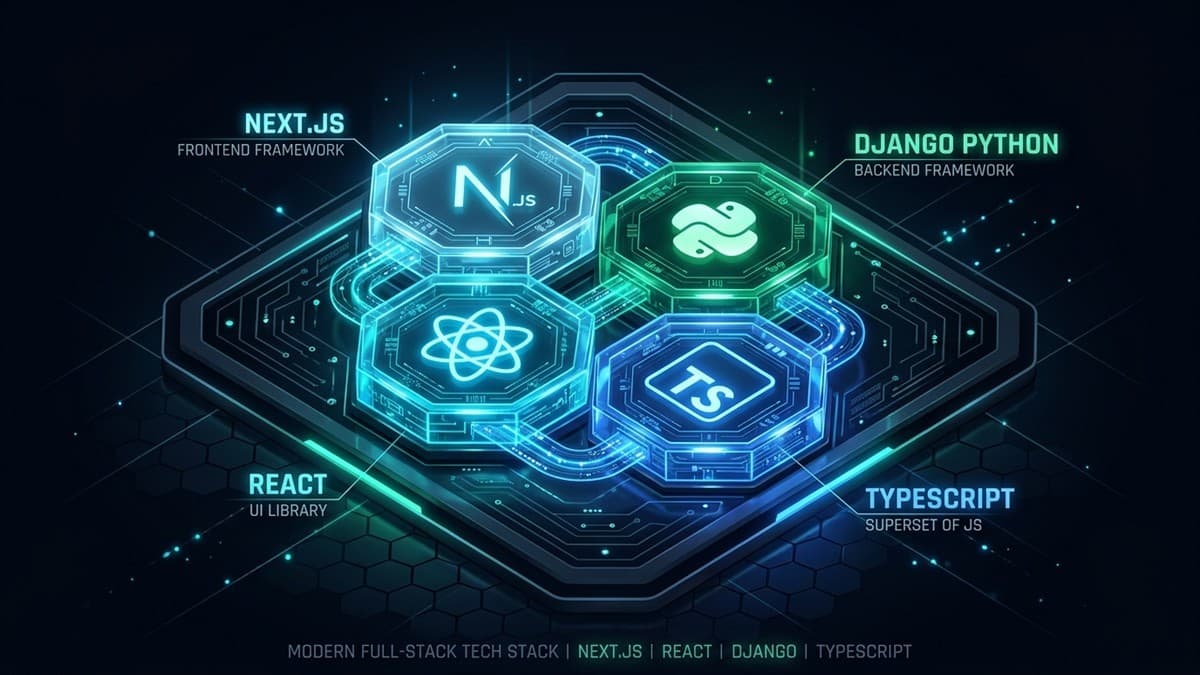
100% Data Sovereignty & 0% Cut
Retain complete ownership of your customer data, transactional ledger, and product catalogs with zero recurring percentage-based GMV platform fees.

Sub-300ms Server-Rendered Next.js Checkout
Lightning-fast page loads and instantaneous cart updates powered by Next.js Server Components, edge caching, and Redis session stores.

Modular Plugin & Extensible Framework
Easily extend core commerce workflows, swap payment gateways, and integrate custom notification channels using clean TypeScript module abstractions.
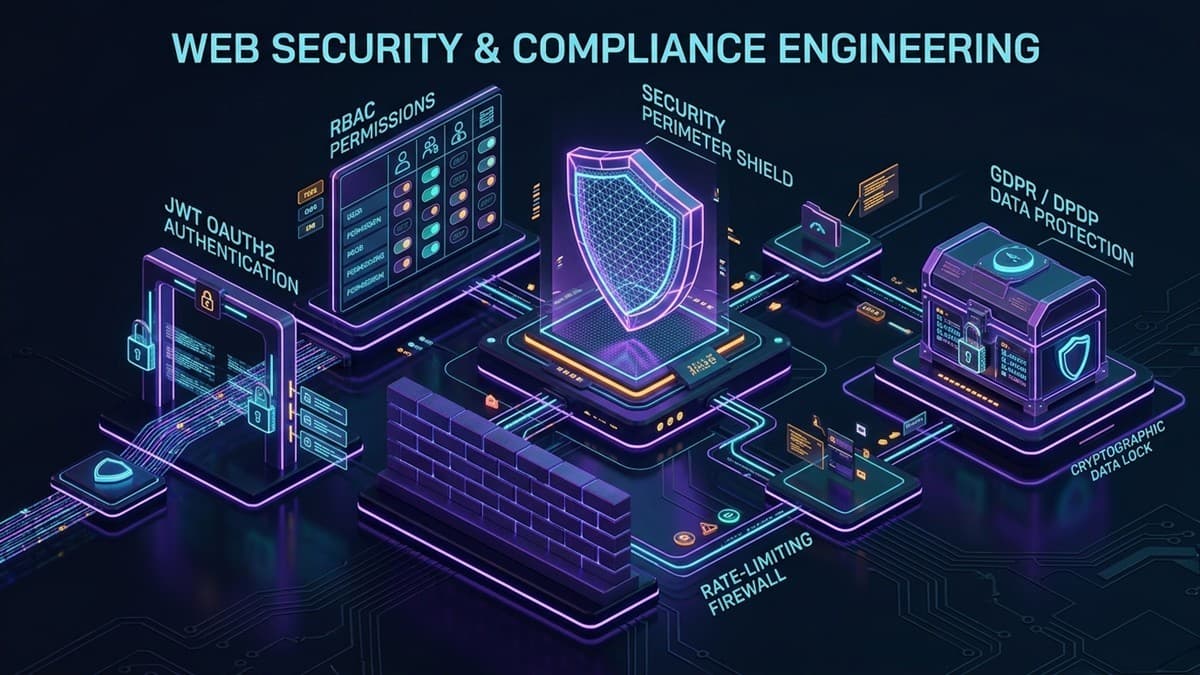
Complex B2B Tiered Pricing & Multi-Currency
Native support for multi-region tax rules, localized currencies, volume-tiered B2B price lists, and custom customer group pricing.
Decoupled Architecture Dataflow
A 4-tier breakdown of how requests, state mutations, and data queries flow through this production stack.
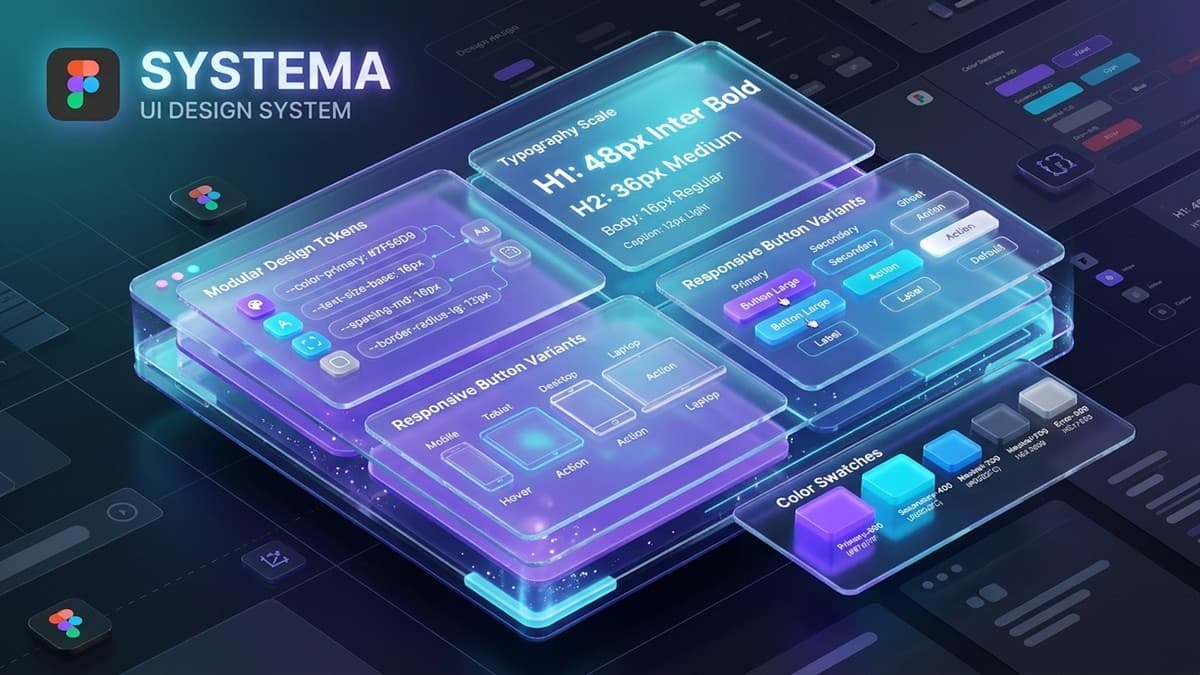
Next.js 15 App Router Storefront
Server-rendered product catalog and checkout frontend with edge caching, sub-second search, and mobile-optimized checkout flows.
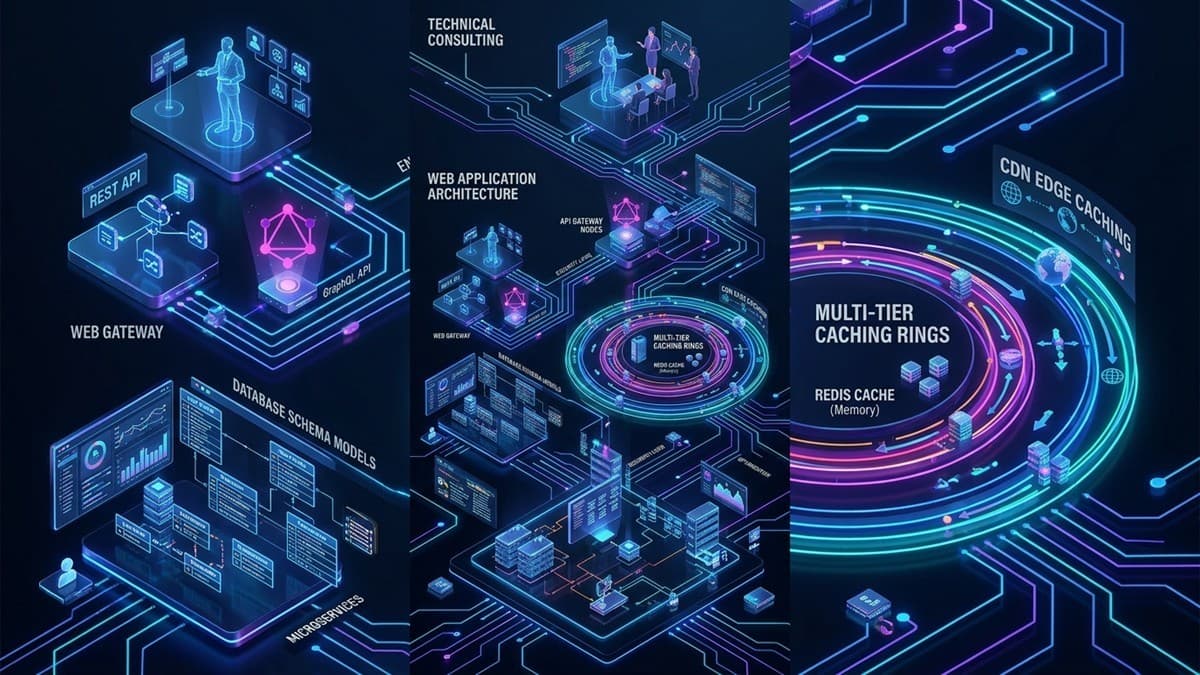
Medusa Core v2 Headless Engine
Headless order orchestration, multi-warehouse inventory matrices, promotion engines, and extensible event-driven workflow modules.

PostgreSQL 16 & Redis BullMQ Queue
ACID-compliant relational database with Redis session caching, inventory lock reservation, and asynchronous background worker queues.
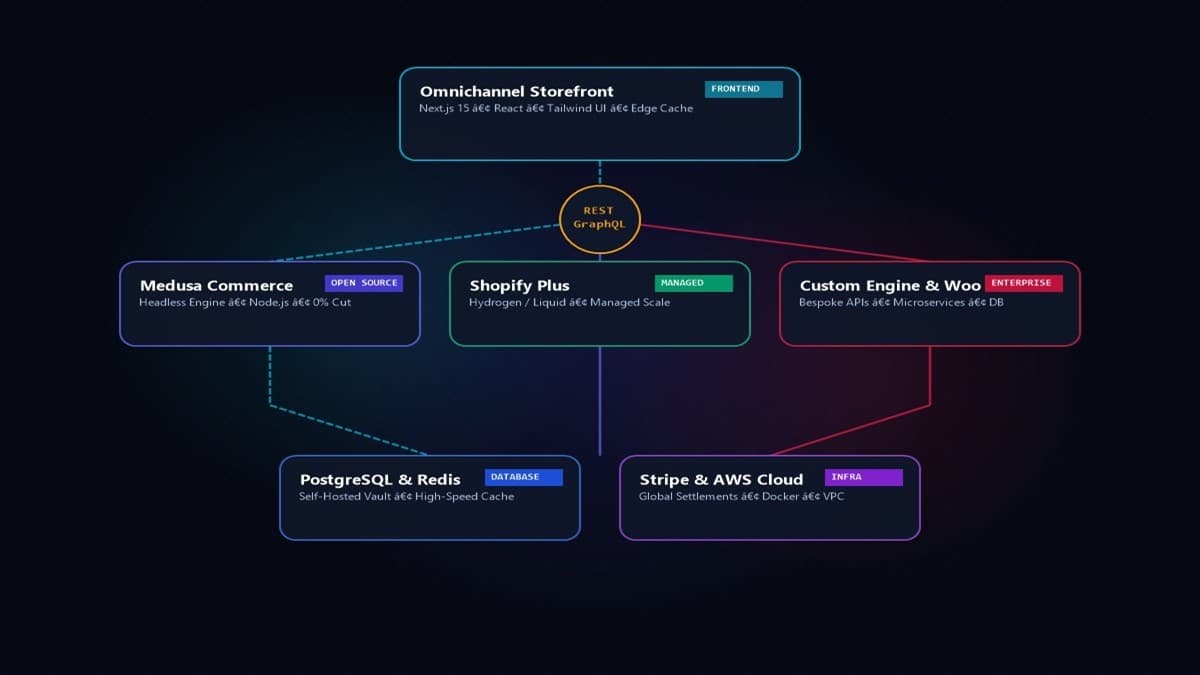
Payment Rails & Courier Fulfillment Hub
Direct webhook integrations with Stripe, Razorpay, Cashfree, Shiprocket, and automated GST-compliant invoice generators.
Core Engineering Deliverables
Every component is backed by strict type contracts, comprehensive test suites, and transparent documentation.
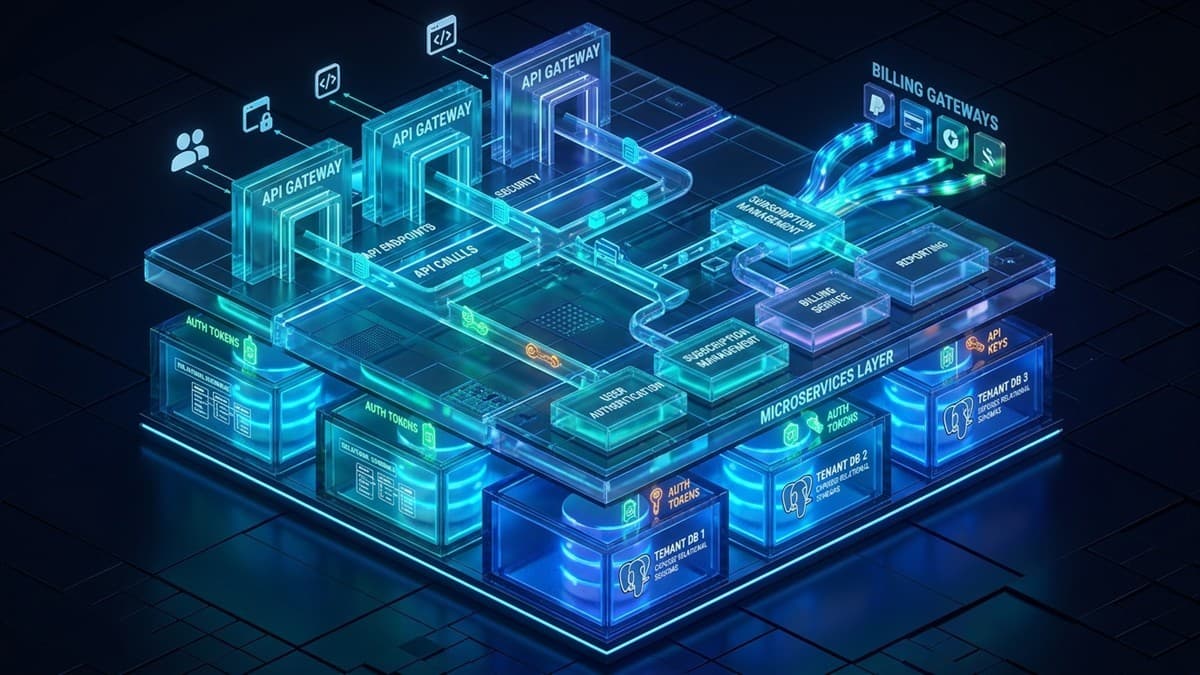
Headless Next.js Storefront with Edge SSR
Bespoke, high-converting e-commerce frontend built on Next.js 15 App Router with 100/100 Core Web Vitals and instant page transitions.
- Server-side rendered product detail pages with dynamic open-graph social previews
- Instant faceted product filtering, predictive search, and swatch selectors
- Streamlined single-page checkout optimized for Apple Pay, Google Pay, and UPI
- Full internationalization with automated currency conversion and geo-location routing
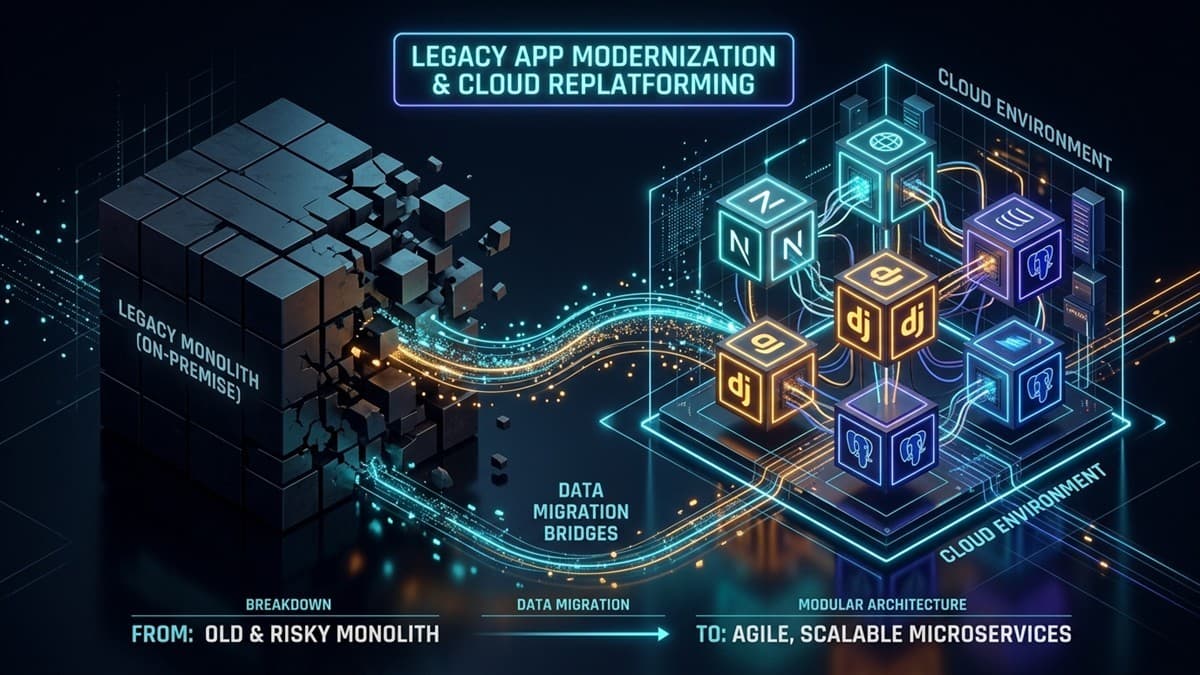
Custom Medusa Admin Dashboard & Inventory Matrix
Tailored administrative panel for managing products, variants, multi-warehouse stock, customer groups, and order fulfillment.
- Multi-location inventory tracking with automatic low-stock alerts
- Customer group management with custom B2B discount tiers and wholesale price lists
- Order lifecycle management with one-click refund and return processing
- Role-based access control (RBAC) for warehouse staff and customer support teams
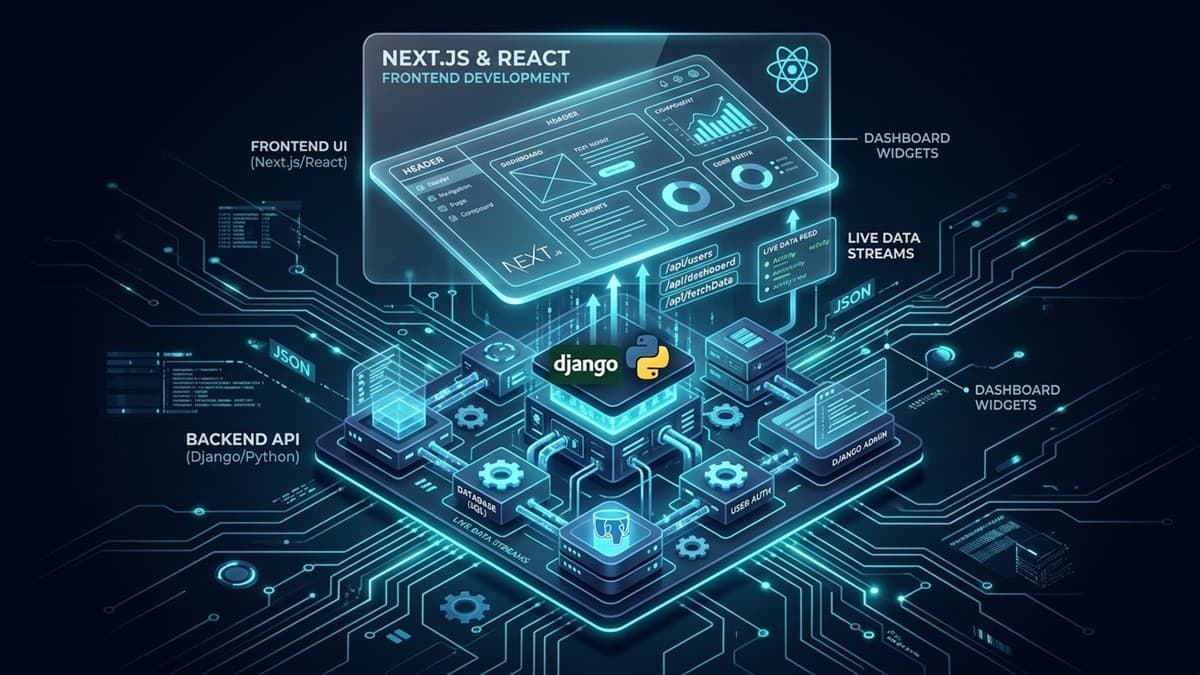
Direct Stripe & Razorpay Checkout Integration
PCI-compliant payment processing infrastructure supporting international credit cards, regional digital wallets, and split payouts.
- Stripe Payment Element and Razorpay Checkout integration with zero iframe redirect lag
- Webhook listener cluster handling asynchronous payment confirmations and chargebacks
- Automated double-entry transaction logging in PostgreSQL
- Subscription and recurring billing modules for subscription-based products
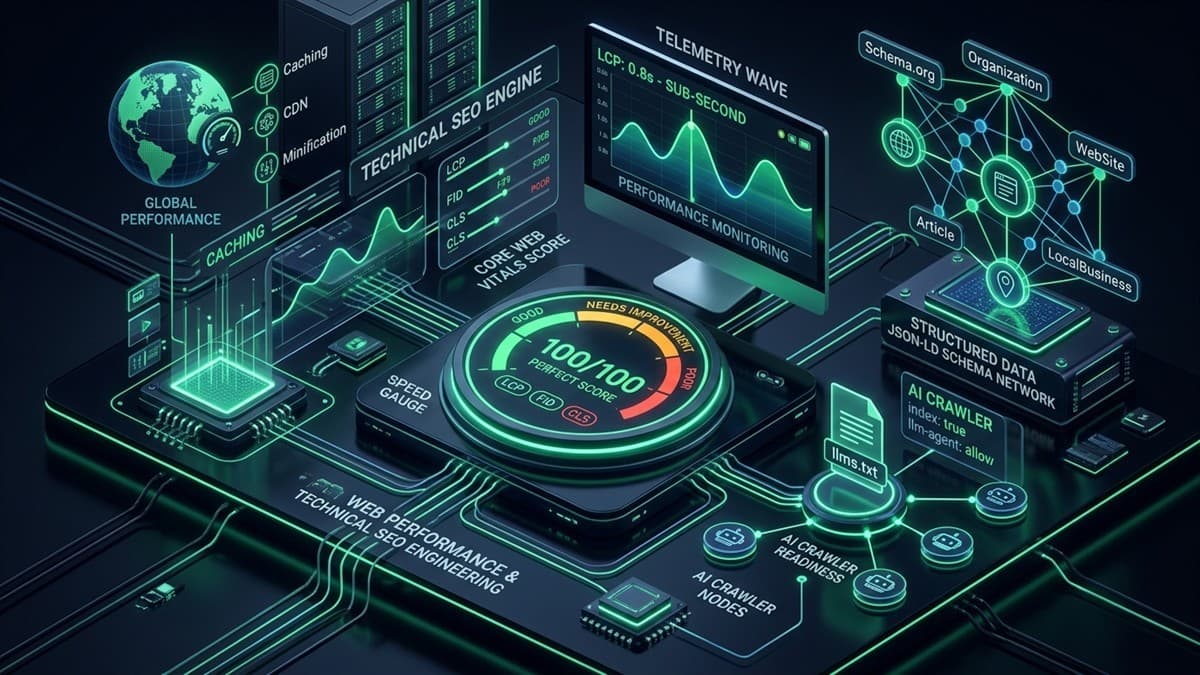
Automated Courier & Shiprocket Logistics Engine
Real-time shipping rate calculation, automated courier label generation, and bi-directional tracking webhook synchronization.
- Live shipping rate calculation based on package dimensions and destination pincodes
- Automated airway bill (AWB) generation and dispatch label printing
- Real-time courier status webhooks updating customer order tracking timelines
- Automated WhatsApp and SMS order status notifications at every delivery milestone

Private Cloud Docker Deployment & Redis Mesh
Containerized deployment on your own cloud VPS with automated PostgreSQL backups, SSL encryption, and horizontal worker scaling.
- Docker Compose and Kubernetes configurations ready for scalable production deployment
- Automated daily database backups to encrypted S3/GCS object storage
- Redis session caching and BullMQ background task processing
- Prometheus and Grafana telemetry monitoring checkout latency and error rates
Our 5-Phase Engineering Lifecycle
Predictable 2-week sprint cycles with weekly staging deployments, automated test reports, and transparent milestones.
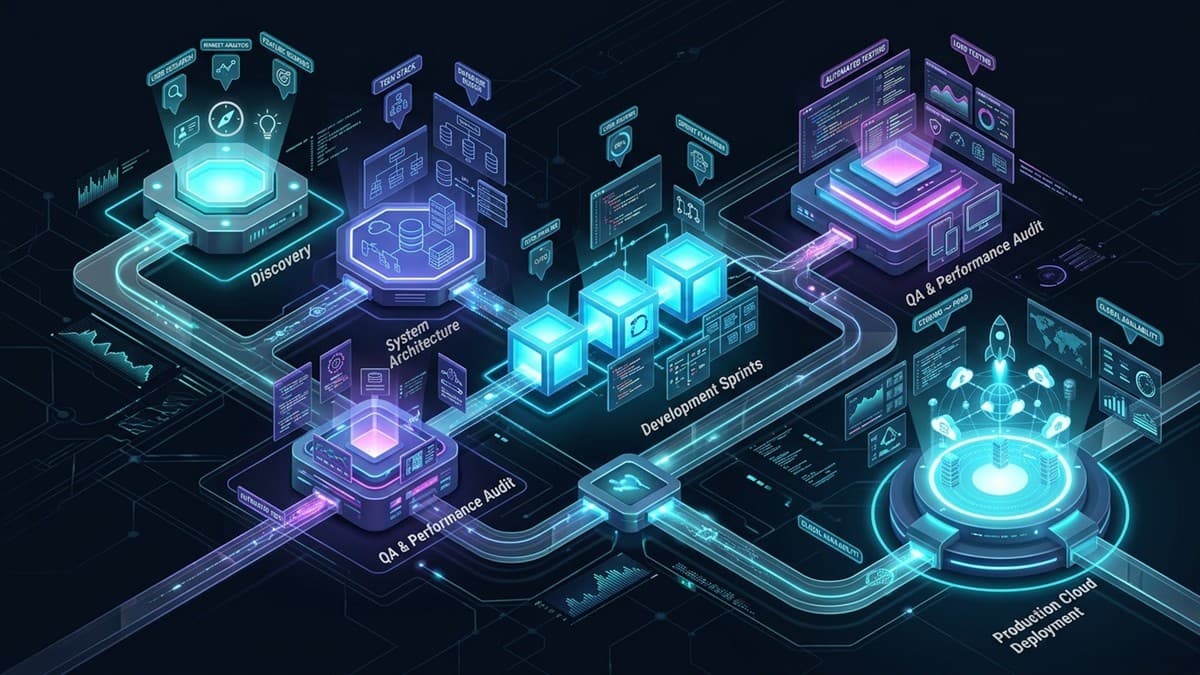
Catalog Architecture & Requirements Mapping
Audit SKU variants, warehouse locations, payment gateways, and custom B2B pricing rules.
Medusa Core & Database Modeling
Deploy Medusa v2 backend, configure PostgreSQL database schemas, and establish Redis queues.
Next.js Storefront UX Engineering
Craft high-performance Next.js 15 frontend, integrate cart state, and connect payment elements.
Fulfillment & Third-Party Integration
Connect shipping couriers (Shiprocket), tax engines, and automated notification webhooks.
Load Testing, Security Audit & Cloud Launch
Simulate flash-sale traffic spikes, verify PCI compliance, and execute zero-downtime DNS cutover.
The Trade-Off Matrix: When to Choose & When to Avoid
We never recommend an architecture blindly. Here is our perspective on where Medusa Headless Commerce excels and where simpler alternatives make more sense.
Strong Fit / Recommended When:
- You need custom business logic (e.g., custom B2B pricing, subscription rules, multi-warehouse routing) that SaaS platforms restrict.
- You refuse to pay 0.5%–2.0% percentage-based platform GMV revenue cuts on your high sales volume.
- You require complete data sovereignty and self-hosted database infrastructure for enterprise compliance.
- You want a lightning-fast headless storefront paired with Next.js or native iOS/Android mobile applications.
Poor Fit / Look Elsewhere When:
- ×You have zero technical staff or engineering budget for cloud infrastructure management.
- ×You need an out-of-the-box turnkey store launched in 48 hours with minimal custom requirements.
Total Cost of Ownership (TCO) Comparison
Compare dedicated engineering and self-hosted infrastructure against recurring manual operational overhead or closed SaaS subscriptions.
Fixed monthly cost on your private cloud/VPC. Does not penalize workflow volume or operational scale.
Recurring SaaS seat licenses or manual labor overhead with high error rates and zero intellectual property ownership.
Save tens of thousands of dollars annually in recurring platform subscription fees and per-transaction GMV taxes while retaining 100% ownership of your customer data.
Sonikas Collection: Complete Migration to Headless Medusa Architecture
Built a bespoke headless fashion boutique with multi-tier pricing, sub-second checkout, and zero monthly SaaS commission.
Recommended Production Stack
Node.js, TypeScript, Medusa Core v2
Modular plugin architecture with native multi-region and multi-currency support.
PostgreSQL 16, Redis 7, BullMQ
Rock-solid relational integrity with high-speed caching for cart and inventory.
Next.js 15 App Router, React 19, Tailwind CSS
Lightning-fast server-rendered storefronts with edge caching and SEO dominance.
Agency Architecture Insight
Medusa allows decoupling modules — allowing you to swap payment providers, search engines, and notification channels with clean plugin abstractions.
Frequently Asked Technical Questions
Transparent answers on validation guardrails, latency benchmarks, data privacy, and integration roadmaps.
Commerce Engineering
Headless ecommerce platforms built with MedusaJS and Next.js — from D2C storefronts to B2B marketplaces, with migrations from Magento, Shopify, and Adobe Commerce.
Evaluate Medusa Headless Commerce for your enterprise
Schedule an architecture discovery consultation to review your workflow schemas, integration points, and deployment feasibility.